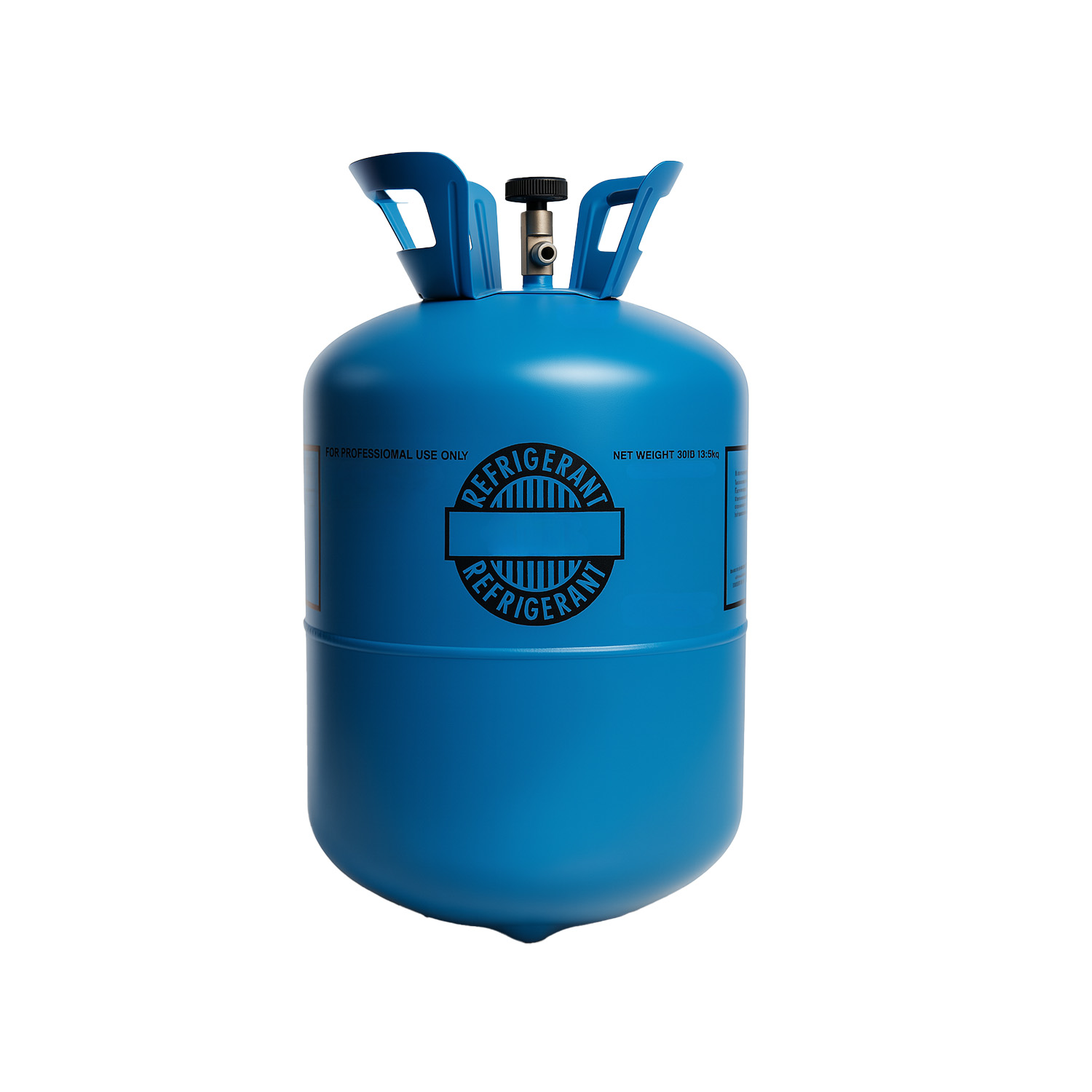
Refrigerant

Refrigerant

Features & Applications

Refrigerant gases are special working fluids used in refrigeration cycles to enable heat transfer. In vapor-compression systems, these fluids undergo phase changes to absorb heat from the environment and reject it to the external surroundings, achieving the desired temperature levels.

Main Features
  • High heat transfer capability: Efficient heat absorption and rejection during evaporation and condensation processes
  • Closed-loop circulation: Reusable within the system and enables controlled flow under pressure conditions
  • Thermodynamic stability: Maintains stable performance under varying operating conditions
  • Safety classification: Classified according to international standards based on flammability and toxicity (e.g., A1, A2L, B2, etc.)
  • Environmental impact: Selection is influenced by GWP (Global Warming Potential) and ODP (Ozone Depletion Potential) values
  • Energy efficiency: Refrigerant properties directly affect the system’s COP (Coefficient of Performance)
Application Areas
  • Commercial refrigerators, cold rooms, and blast freezing systems
  • Industrial process cooling systems
  • Comfort air conditioning systems (VRF, split AC, rooftop units)
  • Automotive air conditioning systems
  • Food production and distribution facilities
  • Pharmaceutical and healthcare applications requiring precise temperature control